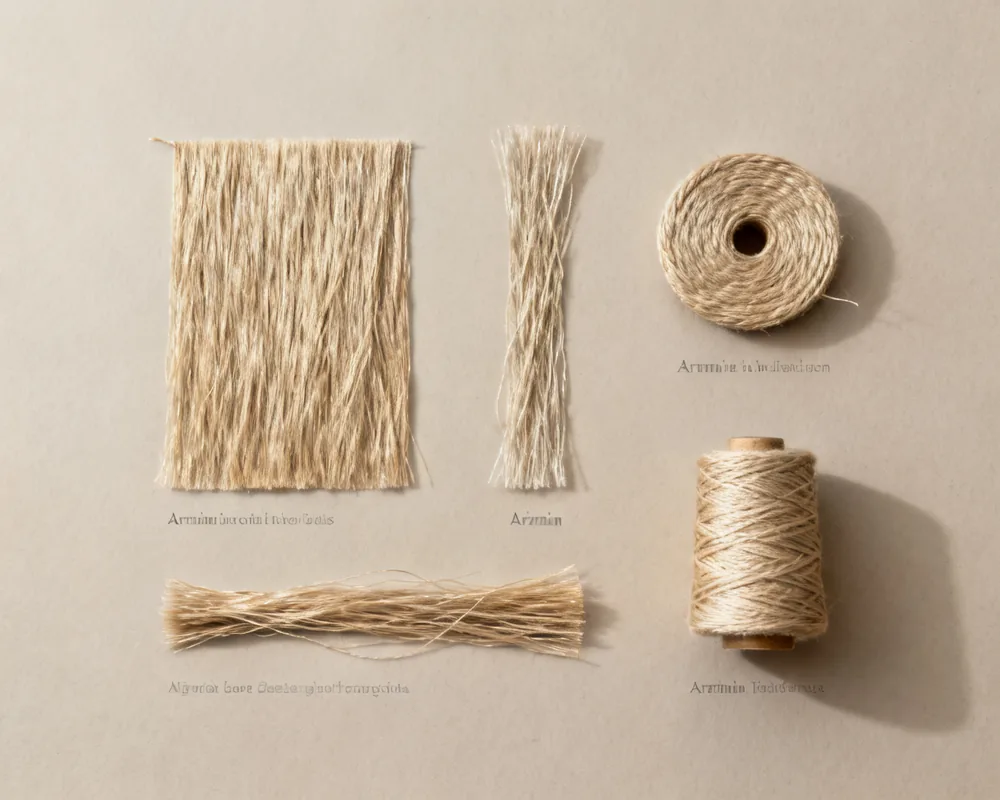
Industrial fiber references
Explore relevant materialsSpecify linear density in denier or dtex for the proposed yarn or fiber. Keep the supply format and material identifier together when requesting further information.
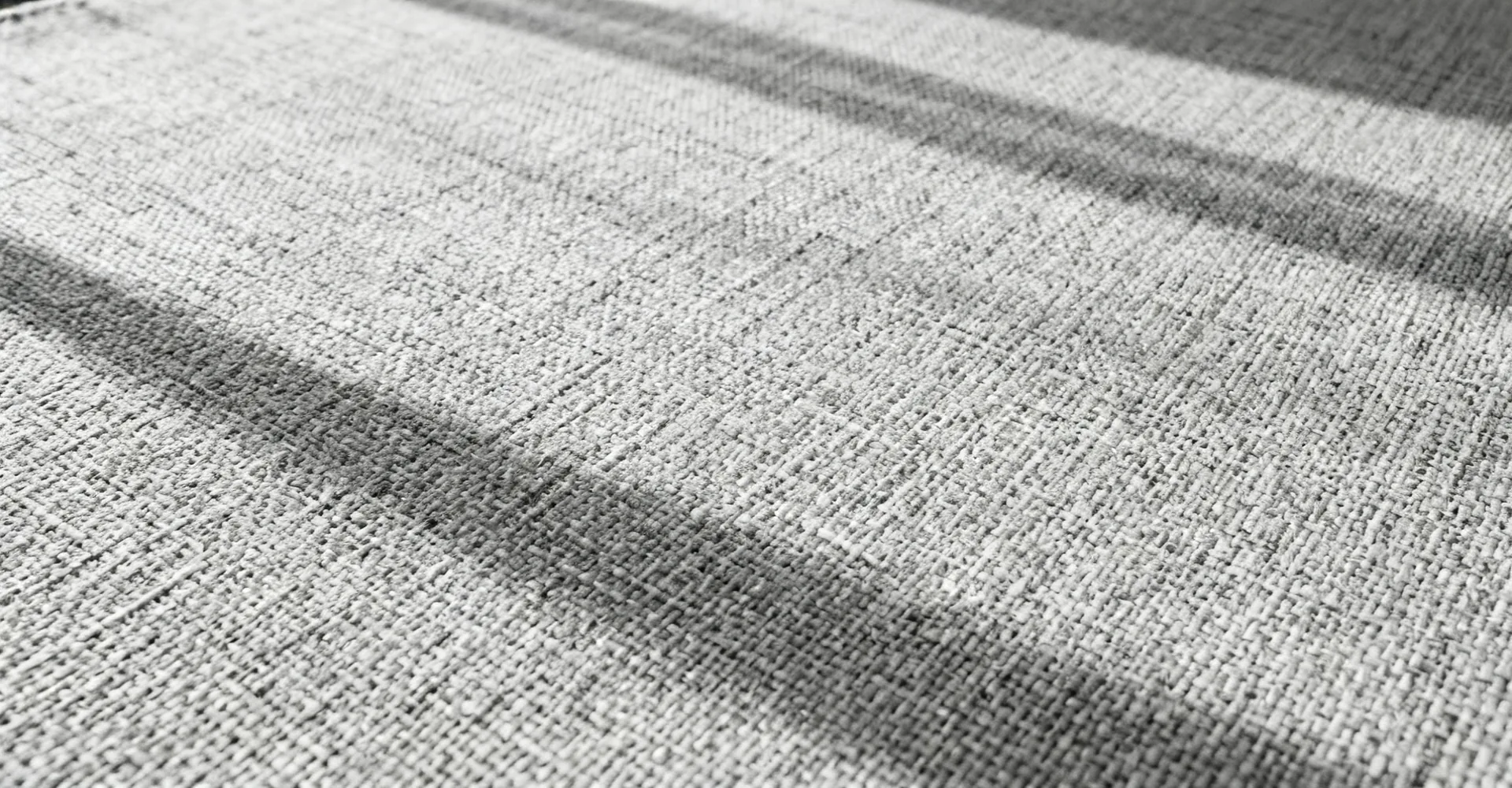
DuPont textile materials
Fiber composition · Construction · Specimen · Intended exposure
A protective textile decision begins before a test result is compared. Define the industrial application, the material format and the exposure that matters. Review yarns, fibers and textile constructions with a dated specimen, rather than treating a fiber name as a complete protection specification.
Record the test method, edition and measured property. Cut resistance, flame response and heat transfer answer different questions.
Specify linear density in denier or dtex for the proposed yarn or fiber. Keep the supply format and material identifier together when requesting further information.
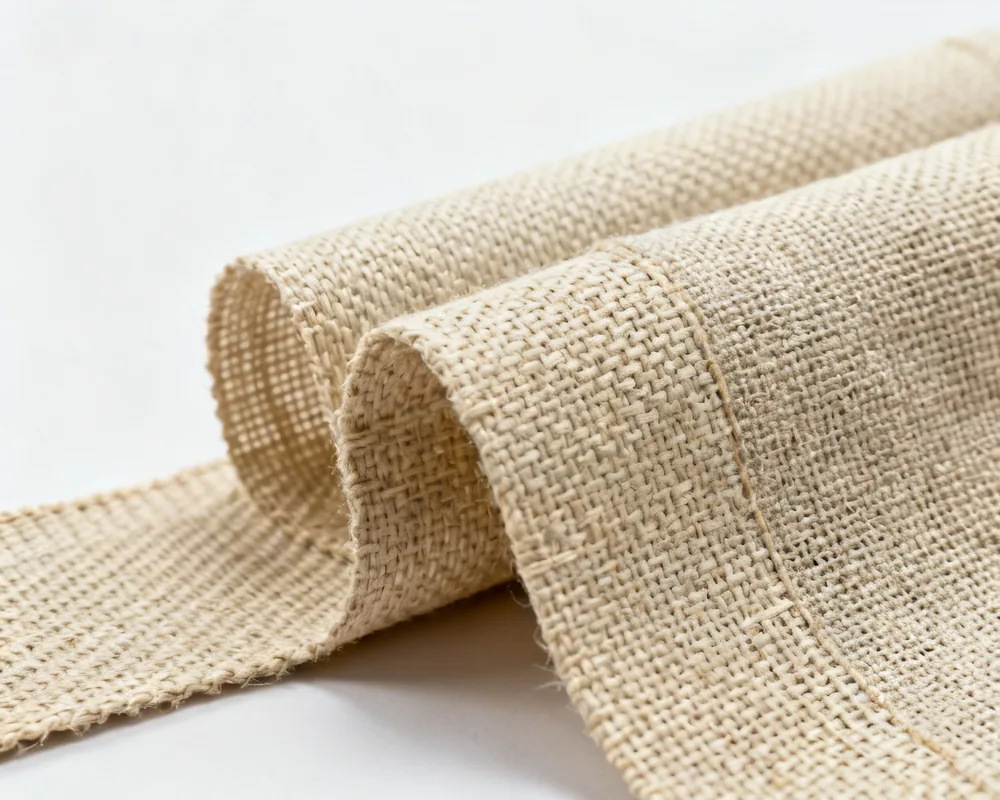
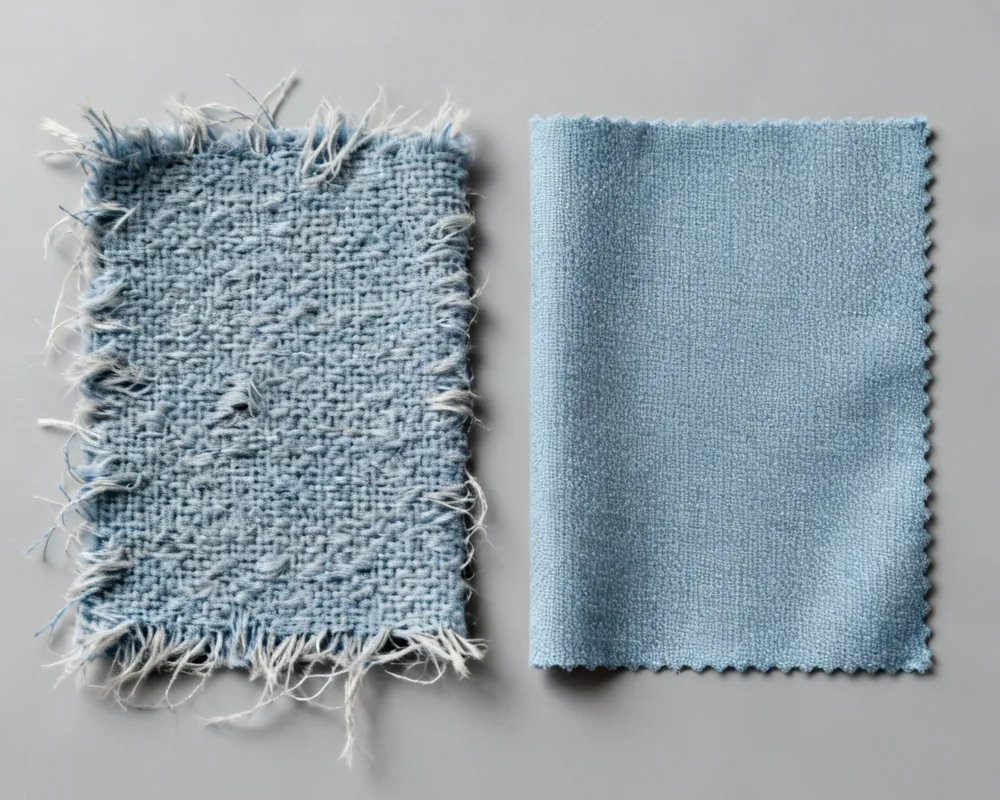
Choose target units and tolerances before a sample comparison. For yarn inquiries, add linear density and package format; for fabric inquiries, retain GSM and usable width.
| Field | Target question | Evidence question |
|---|---|---|
| Composition | Identify fibre blend | Review supporting declaration |
| GSM | Agree target and tolerance | Confirm specimen and method |
| Usable width | Separate cuttable area from selvedge | Confirm roll-level agreement |
| Finish | Describe treatment or laminate | Check sample state and durability context |
Describe spinning, weaving or other intended processing. Fiber composition and linear density help frame a raw-material inquiry; the downstream construction still needs evaluation.
Separate thermal exposure, sharp-edge contact and repeated abrasion. State duration, contact type and care conditions so each concern can be matched to its own evidence.
Record weave construction, seam direction and dimensional stability after the intended care cycle. A material trial and an assembled-item assessment address different stages.
No. Composition is one input. Yarn structure, fabric construction, GSM, finishing and specimen preparation affect interpretation. Request evidence for the material and application being reviewed.
Abrasion testing describes wear under a stated method; handle describes the physical experience of the textile. A denser construction may change flexibility. Compare the same specimen state and assess both priorities.
A stock route requires a current material and lot reference. Development requires an agreed sample revision and approval sequence. In either route, confirm the intended finish and batch traceability before comparing evidence.